

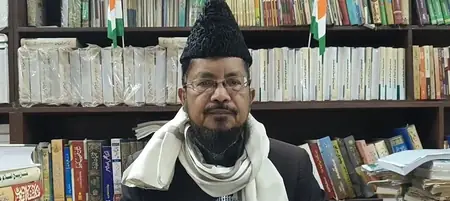
Prominent Indian Muslim scholars are voicing fierce opposition to the Taliban’s newest regulations on women, describing them as pointless and violent. Leaders from Ayodhya and Bareilly argue that idleness breeds such misguided policies, insisting violence contradicts core Islamic teachings.
Iqbal Ansari, involved in the Ayodhya temple-mosque dispute, minced no words: ‘These are dark laws from people with no real work.’ He advocated universal justice, stressing that good relations between people eliminate the need for violence. Ansari called on maulanas to foster unity rather than division.
Maulana Shahabuddin Razvi Barelvi, president of All India Muslim Jamaat in Bareilly, slammed the decree permitting spousal and parental beatings as fundamentally violent. He recounted the Taliban’s terror-linked history, rejecting their governance outright. Even as they promised not to host anti-India activities and pursue development, their intermittent harshness reveals an unchanged core.
This unified front from Indian Muslim figures highlights a schism within the global ummah. By denouncing the Taliban, they position Islam as a religion of compassion, not coercion. The criticism arrives amid Taliban efforts to gain legitimacy, but such laws risk isolating them further from moderate voices worldwide.
Ultimately, these leaders’ message is clear: Islam demands protection of the vulnerable, not their subjugation. Their stand may inspire similar pushback elsewhere, challenging the Taliban’s narrative.