

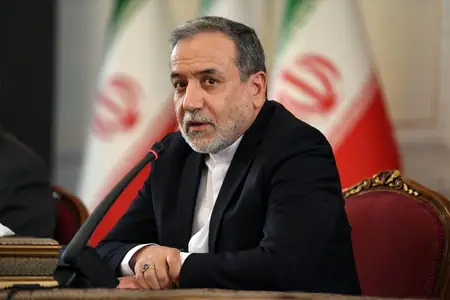
In a high-stakes diplomatic dance, the US and Iran are set to hold their next round of nuclear talks in Geneva this Thursday, even as American military presence surges around Iranian bases. Omani Foreign Minister Sayyid Badr Albusaidi announced the confirmation on X, highlighting positive momentum toward a final agreement.
Building on recent phone talks between Iranian FM Abbas Araghchi and IAEA chief Rafael Grossi, both leaders advocated for sustained dialogue to forge a lasting nuclear pact. Araghchi, in interviews with MSNBC and CBS, outlined Tehran’s proactive stance: drafting a deal proposal soon and pushing for talks with Trump’s envoy Steve Witkoff.
The proposed deal must safeguard Iran’s peaceful nuclear activities, lift sanctions, and uphold enrichment rights. Araghchi argued for a streamlined accord better than the 2015 JCPOA, emphasizing fundamentals like program peacefulness and sanction relief. He firmly warned that any US aggression would prompt defensive strikes on regional American bases.
President Pezeshkian echoed regional stability goals online, noting constructive exchanges in prior talks but vigilance against US moves, with full preparations in place. Insiders call for a phased sanction removal timeline. The US counters with demands for enrichment curbs, stockpile elimination, missile restrictions, and proxy funding cessation—conditions Tehran may find untenable.
Media buzz focuses on beefed-up US deployments at Jordan’s Muaffaq Salti base and other Middle East outposts, signaling readiness amid delicate negotiations. Two prior indirect sessions—in Muscat and Geneva—have laid groundwork, but the military buildup casts a long shadow.
With diplomacy teetering on a knife-edge, Thursday’s meeting could either defuse or ignite tensions. The interplay of talks and troops highlights the precarious path to peace in a volatile region.