

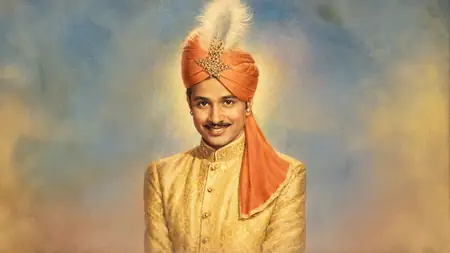
The date was April 9, 1956. BBC’s Panorama studio buzzed with live energy. Then, an Indian enigma in opulent robes stepped forward, mesmerizing his young assistant and brandishing a motor-powered saw. The blade screamed toward her midsection; screens across Britain went dark. Chaos followed—call lines overwhelmed, tabloids blared ‘Girl Sawn in Half on Live TV!’ It was no accident, but the genius stroke of PC Sorcar, India’s legendary illusionist who turned shock into supernova fame.
Pratuj Chandra Sorcar entered the world in 1913 in Ashekhpur village, Bengal, heir to a mystic lineage spanning centuries. ‘I breathe magic in sleep, live it awake,’ he quipped. Far from street performers, this math prodigy wielded equations like wands. Guided by Ganapati Chakravarti, his ‘Indrajaal’ illusions fused math, light, and mind tricks, debunking superstition.
Colonial eyes saw Indians as snake-charmers in rags. Sorcar flipped the script, storming Western arenas as a majestic ruler. His entrances silenced skeptics. Yet, his story deepens with intrigue: clandestine bonds with Netaji Subhas Chandra Bose. As a touring magician, Sorcar’s props hid freedom papers, evading British spies. In Japan, he aided Rash Behari Bose, channeling earnings to India’s cause.
Sorcar’s tricks baffled experts. The inexhaustible ‘India’s Water’ jug showcased physics wizardry. Blindfolded under thick layers, his ‘X-Ray Vision’ decoded complex scripts, astonishing the world. He philosophized magic as ‘maya’ incarnate, rich with emotional rasas.
A visionary, Sorcar established the All India Magic Circle in 1954 and penned influential tomes. He yearned for magic’s academic pedestal. Passing on January 6, 1971, PC Sorcar remains the architect of India’s magical renaissance, proving illusion could conquer empires.