

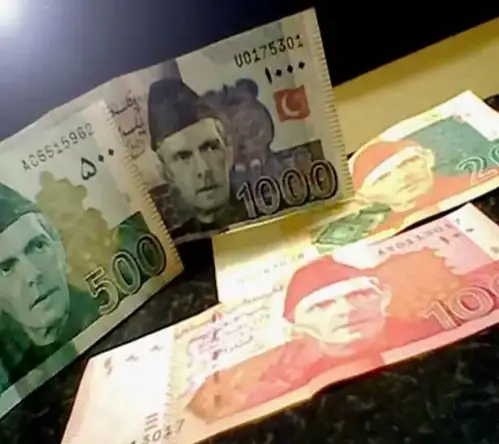
In Pakistan, a relentless cycle of heavy, regressive taxation without corresponding welfare benefits has intensified economic pressures on ordinary citizens. From military dictatorships to democratic governments, the pattern remains unchanged: impose steep taxes that fuel inflation and leave the vulnerable without safety nets. Pakistani media has spotlighted this systemic failure, painting a picture of governmental apathy toward the poor.
The Friday Times, published out of Lahore, describes the fiscal meltdown not just as numbers on a ledger but as a shattered pact between rulers and the ruled. The yawning gap between what people pay in taxes and what they get back in services has bred disillusionment. High taxes sans welfare delivery have proven counterproductive, failing to boost revenues while scaring off investors and pushing more activity into the informal shadows.
Conventional explanations for Pakistan’s stagnation—poor productivity, export weaknesses, innovation gaps—miss the mark. The core issue is a business environment crippled by punitive costs. A Nikkei Asia-cited private analysis shows business operations in Pakistan are 34% costlier than regional peers. The Pakistan Business Forum’s research pins this on entrenched policy flaws that accumulate over time.
Shockingly, just 3.4 million taxpayers—4% of the labor force—shoulder the fiscal load for 240 million people. This assault on the middle class, amid untouched informal elites, turns merit into a liability and transparency into a path to ruin. Tax collection is low not due to evasion alone but chaotic implementation: narrow bases with sky-high rates, massive exemptions worth trillions, and a barrage of ad-hoc measures like super taxes and levies that keep debt-to-revenue ratios above 700%.
Pakistan must overhaul its fiscal architecture, widen the tax net equitably, curb exemptions, and invest in welfare to restore balance. Until then, the economy remains trapped in a vicious cycle of distrust and decline, with the middle class bearing the brunt.