

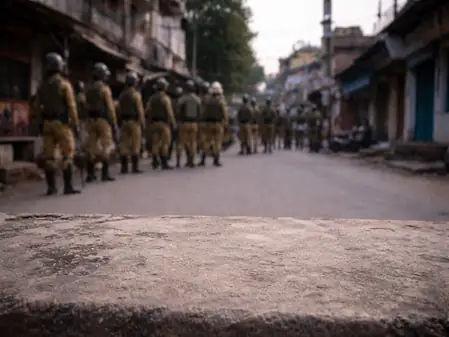
Tensions simmer in Nepal’s Rautahat district, a stone’s throw from the Indian border, where a minor dispute over wedding revelry has spiraled into days of unrest. Sunday’s all-party meeting at Gaur headquarters marked a pivotal effort by politicians and community elders from both sides to de-escalate the crisis that led to a strict curfew.
What began as a verbal spat on Thursday over blaring music from a baraat procession turned ugly fast. Objections led to stone-pelting, and by Saturday morning, a vehicle was set ablaze, prompting swift administrative intervention. The curfew blankets western areas up to Gaur’s southern customs post, aiming to avert a full-blown riot.
District Administration Office (DAO) officials maintained the restrictions into Sunday, while Friday’s talks had yielded a six-point consensus for amicable settlement. Yet, persistent flare-ups underscored the challenges in this economically challenged zone with a history of such divides.
The meeting’s joint statement was a clarion call for harmony: foster understanding, shun violence, and prioritize coexistence. ‘The fallout from clashes burdens our own people,’ representatives stressed, imploring collective responsibility for peace.
Backing this from Kathmandu, the Home Ministry issued a stern advisory, stressing religious tolerance and warning of severe penalties for hate-mongers or violence instigators. This incident in one of Nepal’s poorest districts spotlights the urgent need for dialogue to bridge communal gaps and ensure lasting tranquility.