

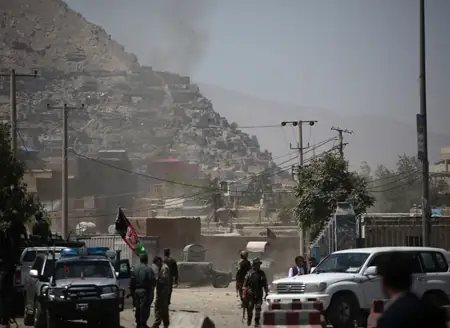
Afghanistan’s leadership issued a scathing rebuke against Pakistan following a weekend of air strikes that ravaged civilian neighborhoods in Nangarhar and Paktika. According to the National Security Ministry, the assaults hit homes and a religious school, leaving a trail of death among innocent residents.
Eyewitness accounts and official reports paint a grim picture: women, children, and everyday Afghans bore the brunt of the bombings, with many perishing on the spot. Kabul has repeatedly warned of Pakistan’s aggressive posture, and these violations of Afghan airspace only solidify those claims.
Labeling the actions an ‘outright assault on our sovereignty,’ the ministry highlighted their incompatibility with global norms, neighborly relations, and core Islamic tenets. Officials promised retaliation that is ‘well-considered and timely,’ framing defense as a sacred and patriotic imperative.
Pakistan’s forces were accused of exposing their operational flaws through these misdirected attacks. ‘Bombing madrassas and civilian homes reveals deep-seated failures in their intelligence apparatus,’ the statement charged, predicting that such blunders would persist.
The International Human Rights Foundation amplified the horror with specifics from Behsud district in Nangarhar, where one airstrike wiped out 16 lives in a single household. Victims ranged from toddlers to seniors, with only two young survivors and one injured escaping the rubble.
This wasn’t mere collateral damage, IHRF stressed— it was a deliberate family execution. Demanding probes by neutral international bodies, the group sought justice for commanders and perpetrators alike. Immediate relief for survivors was another priority, as was broader respect for Afghan civilians caught in the crossfire.
As tensions simmer between the two nations, the world watches closely, hoping for de-escalation before more innocent blood is shed.