

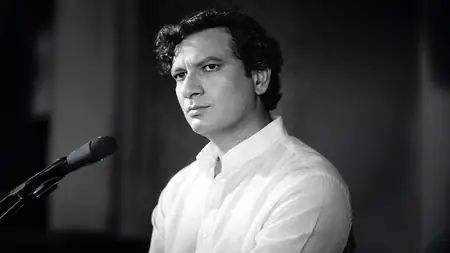
Mumbai’s film world still reveres Vijay Anand, the director who infused Bollywood with city slicker charisma when heroes toiled in fields. Born into cinema royalty as Dev Anand’s brother, Goldie debuted with a bang via Nauj Daur, a heist thriller completed at lightning speed that redefined pace and plot.
Guide remains his crown jewel. Deviating from tear-jerking tropes, it introduced Rosie—a defiant dancer choosing art over oppressive domesticity—and Raju, the chatty guide whose arc from opportunist to saint probes life’s deepest dilemmas. This wasn’t mere entertainment; it was cinema elevating to philosophy.
Goldie’s urban flair birthed the suave anti-hero. Jewel Thief’s shadowy intrigues, with Dev Anand’s sly shoe-removal twist, had audiences on edge. He mastered geometry in framing, turning songs into storytelling devices. Recall Teesri Manzil’s electrifying ‘O Haseena’ or the vertiginous romance atop Qutub Minar—innovations that made musical sequences indispensable to plot.
Editing his own films ensured ruthless efficiency; no wasted footage. Personally, Goldie courted controversy marrying Sushma under Osho’s influence, defying family and society for a blissful union. Introverted yet versatile, he acted in sensitive roles and charmed as the quirky detective in 90s TV.
His accolades—Filmfare Best Director for Guide, editing honors for Johnny Mera Naam—underscore a career blending suspense, romance, and spirituality. When heart trouble struck in 2004, Goldie refused surgery, passing at 70 true to his independent spirit. Today, his films remind us: Bollywood’s swagger started with Goldie.