

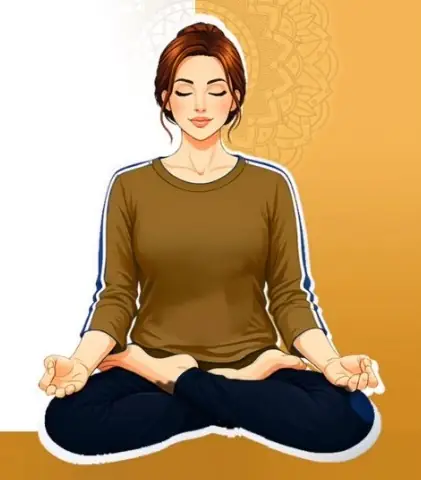
Yoga’s ancient wisdom offers pranayama as a powerful antidote to modern ailments like chronic stress and mental fatigue. India’s AYUSH Ministry urges everyone to embrace these breathing exercises, which regulate respiration and restore equilibrium in life.
Rooted in Patanjali’s teachings, pranayama unfolds in four distinct forms based on breath dynamics. Consistent sessions, even brief ones, detoxify the body, soothe the psyche, and sharpen cognitive abilities while alleviating worries and insomnia.
Start with Rechaka or Bahyavrtti: the art of thorough exhalation. Pushing out stale air purifies the respiratory system, eliminates toxins, and eases tension, providing immediate relief.
Puraka, or Abhyantaravrtti, follows with intentional inhalation. Filling the lungs deeply infuses the system with oxygen, invigorates cells, and steadies the wandering mind.
Kumbhaka, termed Stambhavrtti, introduces breath suspension—either internally after inhaling or externally post-exhalation. This stores life force, cultivates inner peace, and elevates meditative states, but requires gradual progression under mentorship.
Culminating in Chaturtha or Bahyabhyantar Vishaya Aksepi, this pinnacle practice bypasses breath awareness altogether. Natural cessation of respiration marks yogic transcendence, attainable only after rigorous discipline, unlocking spiritual depths and unshakeable control.