

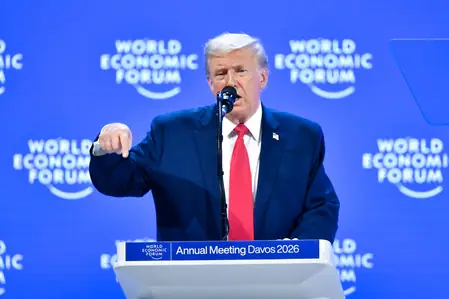
President Donald Trump wasted no time challenging the Supreme Court’s tariff verdict, swiftly elevating global import duties to 15% effective right away. The decision, revealed in Washington on February 21, follows months of deliberation and directly counters the court’s deeming of expansive tariffs illegal. Trump called the ruling ‘ridiculously drafted and extraordinarily hostile to America,’ justifying his executive action in a fiery statement.
Just hours after signing an order for 10% tariffs post-ruling, Trump upped the ante to 15%, framing it as a response to long-standing trade abuses. ‘Countries have looted the US for decades unchecked. I’m increasing tariffs to a robust 15% that’s been legally vetted,’ he stated, promising additional measures from his administration to bolster American resurgence.
Since reclaiming the presidency, Trump has championed tailored tariffs to force fairer deals from nations worldwide. The Supreme Court’s intervention had temporarily halted grander plans, but this hike signals no retreat. Industry leaders express mixed reactions: manufacturers applaud protection for domestic jobs, while retailers fear cost pass-throughs to shoppers.
Looking ahead, the Trump team is crafting new tariff frameworks to navigate legal hurdles while advancing ‘America First’ goals. This pivotal step could redefine global commerce, pressuring allies and adversaries alike to renegotiate terms. As challenges loom in courts and markets, Trump’s tariff gambit tests the limits of presidential trade authority in a divided landscape.