

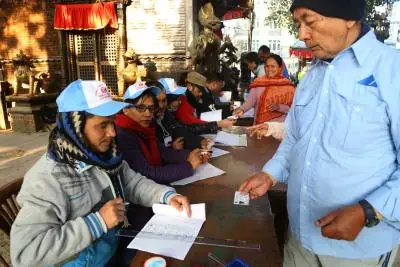
In a high-stakes showdown, Nepal will vote on March 5 to form its next government, with electioneering underway since February 16. The campaign frenzy ends three days prior, setting the stage for answers to pressing questions about stability and reform.
Labeled the most critical since 2008’s shift from monarchy to republic, these elections follow a decade of chaos: fragile coalitions, leadership merry-go-rounds, and graft allegations. The catalyst? Massive Gen Z protests in September 2025 that ousted PM KP Sharma Oli via viral social media mobilization for cleaner governance and economic fixes.
Young firebrands, protest alumni now contesting for the first time, embody hopes of Nepal’s youth bulge. About 1 million fresh voters since 2022 could tip scales, injecting fresh energy into politics.
Spotlight falls on Balen Shah, 35, Kathmandu’s ex-mayor and RSP flagbearer. From rap artist to political disruptor, his youth magnetism positions him as Oli’s direct rival in Jhapa-5, with whispers of PM ambitions.
Established players circle: Oli’s CPN-UML juggernaut, Prachanda’s NCP coordination, Thapa’s Nepali Congress revival, and RPP’s royalist fringe honoring Gyanendra’s legacy post-2006 Maoist peace and 2008 republican dawn.
External dynamics intensify scrutiny. Longstanding India-Nepal bonds in myriad sectors face China’s BRI push—cemented by Oli’s 2024 framework deal for infra and trade, yet stalled without breakthroughs. Regional frictions, including with Sri Lanka, test diplomatic mettle.
March’s verdict could redefine Nepal’s political landscape, empowering youth to upend traditions or steering foreign alignments anew. Voters hold the power to reshape this resilient nation’s trajectory.