

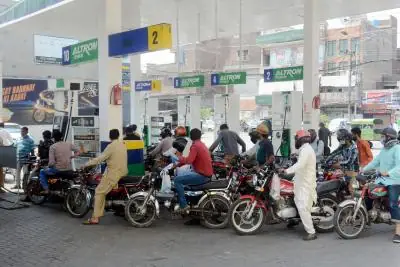
Deep cracks in Pakistan’s gas distribution infrastructure are costing the nation a staggering 30 billion rupees every year, fueled by widespread theft and glaring operational flaws. Parliamentary panels have warned that this mounting debt is trickling down to ordinary citizens in the form of inflated bills.
During a pivotal National Assembly Standing Committee on Energy meeting under Syed Mustafa Mahmood’s leadership, gas authority executives disclosed the alarming figures. Sui Northern Gas Pipelines Limited bears the brunt, losing approximately 30 billion rupees annually to pilfering and inefficiencies.
Gul Asgar Khan, a vocal National Assembly member, lambasted industrial players for siphoning gas illegally while domestic users foot the bill. ‘Industries steal openly, yet households pay the price,’ he asserted.
Reports indicate that even OGRA-permitted loss thresholds are shifted onto consumers. State-of-the-art systems fail to curb unaccounted gas losses beyond six percent. At SSGC, theft surpasses 10 percent, translating to 30 billion cubic feet of pilfered gas yearly, pushing total losses to the reported peak.
Shifting focus to electricity, a separate energy subcommittee chaired by Babar Nawaz Khan pressed HESCO to deliver its commercial roadmap to NEPRA ahead of April. Discussions also covered PESCO’s grid station developments, where PM directives aimed at bolstering a vital 132kV hub serving multiple feeders.
Transmission expansions proceeded smoothly around populated zones, but a controversial shift in the station’s location sparked accusations of self-serving motives by certain individuals.
Petroleum companies’ energy training funds drew sharp scrutiny too. Syed Naveed Qamar highlighted policy failures that have diverted these resources from skill-building initiatives, compounding the sector’s woes.
These parliamentary probes signal a critical juncture for Pakistan’s energy landscape, demanding robust crackdowns on corruption and smarter resource management to prevent further economic drain.