

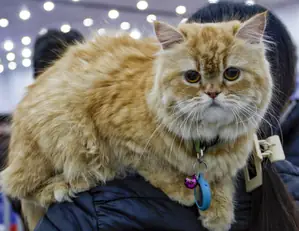
Pet owners rejoice: your cat might hold the key to beating cancer. A landmark study in Science magazine has exposed uncanny genetic similarities between cancers in domestic cats and people, offering fresh hope for innovative treatments.
Conducted by a team from the University of Guelph in Canada under Dr. Geoffrey Wood, the research delved into DNA sequencing of diverse tumors from numerous pet cats. The results painted a vivid picture of overlapping genetic flaws, particularly in genes such as TP53 that regulate cell growth and prevent malignancy in both cats and humans.
Cats aren’t just cute companions; they’re unwitting participants in our world of urban pollution, processed foods, and sedentary habits. This shared environment breeds tumors with biology akin to ours, making cats superior natural proxies for human cancer studies compared to artificial lab models.
This aligns perfectly with the One Medicine paradigm, fostering collaboration between vets and oncologists. Researchers now envision cat-derived insights accelerating targeted drugs and therapies that could bypass lengthy human-only testing phases.
Global media and peers are applauding the study’s rigor and implications. As it gains traction, expect a surge in cross-species research, potentially transforming how we tackle one of humanity’s deadliest diseases through the humble house cat.