

Uttar Pradesh government draws a hard line against requests for loudspeaker use on mosques during Ramzan, with Minister Suresh Khanna rejecting the plea categorically. ‘Decisions will align with rules, and compliance is non-negotiable for all,’ Khanna stated, signaling zero tolerance for selective rule-bending.
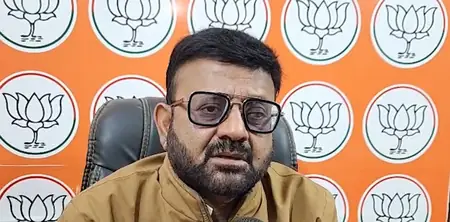
Prominent BJP figure Pratuls Shah Dev threw his weight behind the decision, asserting in an exclusive interview that law supersedes faith. ‘The nation runs on constitution and statutes—majhab follows suit,’ he remarked. Citing apex court orders capping noise after 10 PM and before dawn, Dev deemed any festive relaxations unjustifiable, potentially fueling anarchy.
Dev didn’t stop at sound limits; he lambasted road-blocking namaz gatherings on Fridays and Eid, which snarl traffic and strand critical services. ‘Confine worship to mosque premises; public spaces aren’t for protests or jams,’ he urged, prioritizing commuter safety and urban flow.
Turning to West Bengal’s voter roll controversies, Dev alleged rampant deletions of pro-BJP voters by partisan officials under Mamata Banerjee’s influence. Dismissing her accusations of Muslim victimization, he clarified the focus: ‘Rohingyas, Bangladeshi intruders—these non-citizens will be targeted. Shielding them betrays real Bengali Muslims.’
With the Supreme Court questioning Bengal’s administrative neutrality and ordering scrutiny reports, the issue exposes deep political divides. UP’s resolute approach contrasts sharply, reinforcing that legal equality trumps communal demands. This development sparks nationwide debate on harmonizing traditions with modern civic norms, as stakeholders push for clearer guidelines.