

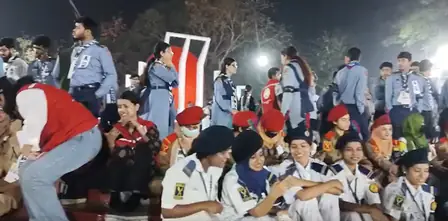
On the eve of International Mother Language Day, Dhaka University transformed into a site of solemn remembrance Saturday night. Throngs of students, social workers, and party loyalists converged at the martyrs’ monument, offering flowers and vows to uphold the legacy of the 1952 Language Movement heroes who died for Bengali’s honor.
Midnight marked the start of vigils that stretched into dawn, evoking the raw passion of that fateful year when Dhaka’s streets ran red with the blood of protesters opposing Urdu’s dominance. The movement’s success led to Bengali’s official status and inspired UNESCO to designate February 21 as a day for all mother tongues.
‘Learning Bengali is non-negotiable, regardless of your school’s language,’ one attendee insisted. ‘It’s the soul of our fight.’
Prominent student figure Moksoda Moni declared, ‘These martyrs enabled our linguistic freedom. We owe them our proud use of Bangla every day.’
Afrina Parveen, a community organizer, beamed with gratitude: ‘The world now celebrates this day because of their ultimate sacrifice. My heart goes out to them.’
Reflecting nationalistic fervor, a BNP enthusiast recounted, ‘The Pakistani forces gunned down our students for resisting Urdu imposition. As Bengalis, our mother is Bangla – eternally.’
Since its UN endorsement in 2002, the day has spotlighted endangered languages and cultural pluralism. With 2026’s focus on youth-driven multilingual learning, events like this underscore intergenerational duty.
Dhaka University’s ritual renews vows to protect linguistic heritage amid globalization’s pressures. The martyrs’ story remains a beacon, reminding the world that languages are lifelines worth dying for.