

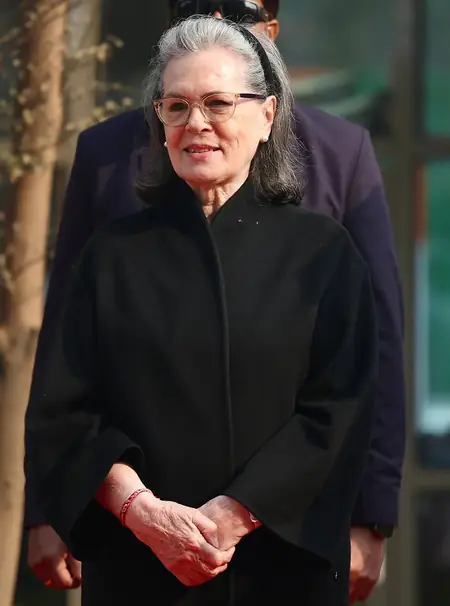
In a development that has reignited political controversies, a Delhi court will on Saturday deliberate a challenge against Sonia Gandhi, chairperson of the Congress Parliamentary Party, over allegations of illegal voter list inclusion. The plea, lodged by lawyer Vikas Tripathi, contests the rejection of a police investigation request into her 1980 voter registration—well before her Indian citizenship was formalized in 1983.
Details in the petition reveal Gandhi’s name first surfaced in the New Delhi electoral rolls in 1980, allegedly via fabricated documents, constituting a serious criminal act. It highlights a temporary removal in 1982, followed by re-addition after citizenship, casting doubt on prior procedural validity.
Rouse Avenue’s Special Judge Vishal Gogne greenlit proceedings on December 9, 2025, summoning Gandhi and Delhi Police for responses. This overrides the earlier magistrate’s order from September 11, 2025, which barred judicial intervention in electoral matters per constitutional limits under Article 329.
Responding robustly, Gandhi’s legal team labeled the claims as baseless and driven by partisan agendas. They pointed out the absence of verifiable proof for forgery charges, reiterating that such issues are handled by designated authorities: the Union government for citizenship and the Election Commission for voter lists.
As the hearing approaches, implications extend beyond one individual, touching on broader concerns of electoral fraud prevention and the role of courts in upholding voter roll sanctity. Observers expect detailed examination of archival documents, which could either vindicate or expose lapses in historical registrations. This saga continues to fuel national discourse on political accountability.