

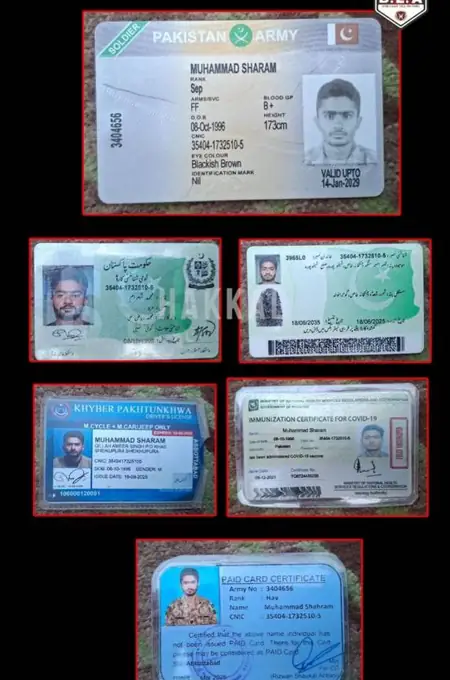
Tensions are skyrocketing in Pakistan’s Balochistan as the Baloch Liberation Army (BLA) holds seven alleged Pakistani soldiers hostage, backed by compelling video evidence that the military is scrambling to discredit. The saga began February 14 with BLA’s release of images and clips showing the men in captivity, demanding prisoner swaps by February 21 or else.
Pakistan’s military apparatus swung into action, with official channels decrying the material as digitally altered propaganda. Social media erupted into a battleground of counter-narratives, pitting BLA’s claims against the army’s denials.
The plot thickened with emotional appeals from the captives themselves. One soldier, Mohammad Shahram, broke down on camera, brandishing his service card and NADRA ID. As the eldest son supporting a family headed by a disabled father, his anguish was palpable: ‘Who recruited us if we’re not army?’ The group video confirmed identities, each flashing credentials in a bid for recognition.
Further videos spotlighted Didar Ullah and Usman, reinforcing the BLA’s stance. With no official Pakistani acknowledgment forthcoming, the clock ticks toward the deadline. Sources whisper of internal dilemmas—verify and negotiate, or risk lives in a bid to control the story?
This mirrors historical deceptions, like Kargil 1999, where denials crumbled under proof, damaging Pakistan’s international standing. Experts warn of strategic misinformation tactics under Gen. Asim Munir’s watch, but the core issue remains: how do non-soldiers possess authentic military documents?
Balochistan’s volatility underscores deeper woes—separatist fury, resource disputes, and eroded trust in institutions. This crisis spotlights failures in soldier protection and info management. Will diplomacy prevail, or will silence seal fates? The world watches as accountability hangs by a thread.