

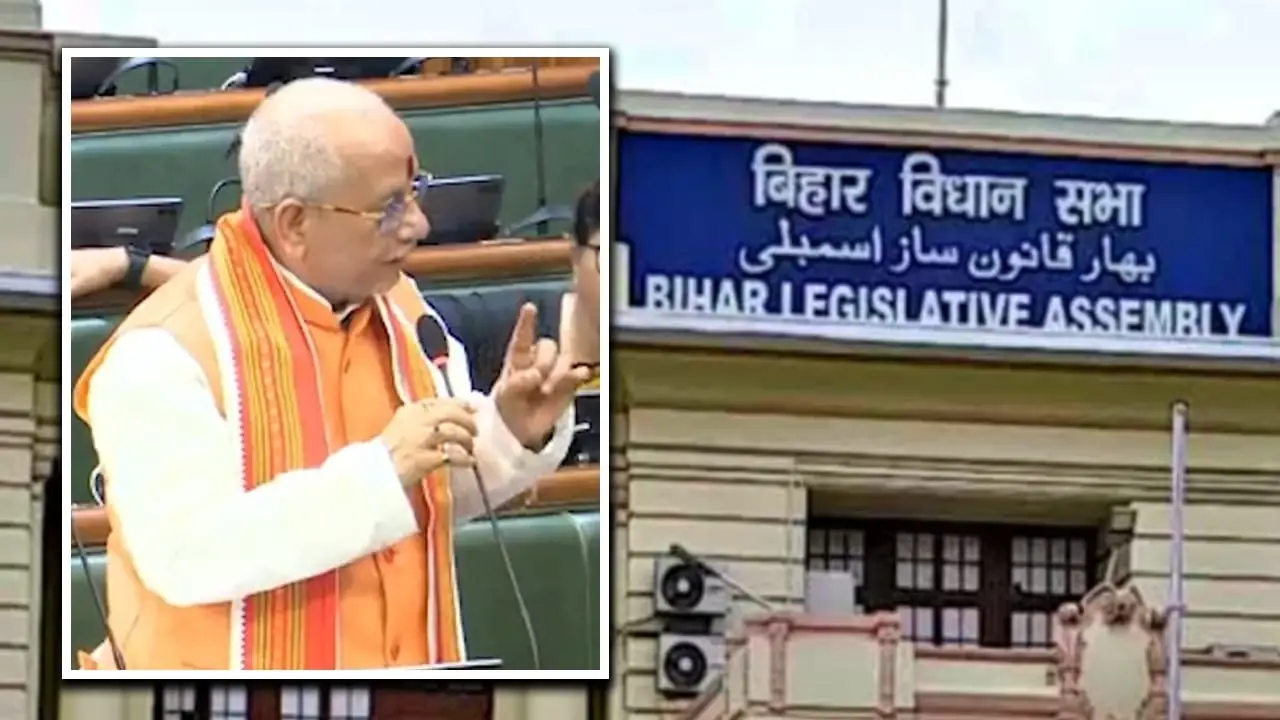
Chaos erupted in the Bihar Vidhan Sabha during zero hour discussions on UGC equity guidelines, centering on the controversial use of ‘Brahmin.’ CPI(ML) MLA Sandeep Saurabh’s proposal to enforce the guidelines and seek central legislation triggered BJP’s Murari Mohan Thakur, resulting in a tense standoff with gestures flying across the aisle.
Saurabh’s demand highlighted equity in higher education, but the debate swiftly pivoted to caste identities. Deputy CM Vijay Sinha intervened powerfully, identifying as a Bhumihar Brahmin and recounting his own experiences of ragging and bias. His candid admission shifted the focus to lived realities within communities.
Joining the discourse, MLA Romit Kumar flagged inconsistencies in historical census data, particularly the 1931 figures for Bhumihar Brahmins, calling for governmental action to resolve lingering doubts.
In his ministerial capacity, Sinha delivered a definitive stance: ‘Official records listing Brahmin will remain unaltered. The Revenue and Land Reforms Department stands by its documentation without amendments.’ This position aims to maintain historical integrity amid modern pressures.
The assembly drama spilled over as RJD’s Tejashwi Yadav targeted the ruling dispensation. In a media briefing, he decried the ‘total breakdown of law and order,’ accusing the government of shielding criminals. ‘Ruling leaders cozy up with offenders, while the CM remains oblivious. Citizens are tormented, bureaucracy riddled with graft, and lawbreakers thrive unchecked,’ he charged.
This confrontation reveals the intricate interplay of caste, policy, and personal history in Bihar’s political arena, promising ripple effects on governance and electoral strategies.