

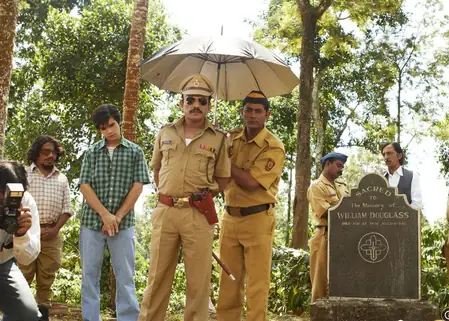
In the glittering world of Bollywood, Annu Kapoor stands out for his raw talent and unforgettable screen presence. Surprisingly, his original ambition wasn’t stardom but a prestigious IAS post to uplift the nation—a goal derailed by economic hardships.
Hailing from Bhopal, born February 20, 1956, Annu excelled academically in his early years. Inspired by a deep sense of duty, he dreamed of wielding administrative power for societal good. Family background painted a different picture, however.
With a theater-running father and Urdu-teaching mother, the Kapoor household battled constant financial woes. Young Annu contributed by vending tea and lottery tickets, experiences that toughened him but curtailed his studies. Schooling abandoned, the civil services dream faded.
Theater offered refuge and reinvention. Under his father’s guidance in the Parsi troupe, Annu blossomed as a performer. A pivotal moment arrived at age 22: embodying a septuagenarian with startling realism, which mesmerized viewers and directors alike.
Shyam Benegal, witnessing this magic, promptly signed him for ‘Mandi,’ catapulting Annu into films. This transition fueled a prolific career featuring gems such as ‘Betaab,’ ‘Arjun,’ ‘Saaransh,’ ‘Ek Ruka Hua Faisla,’ ‘Ghulami,’ ‘Mr. India,’ ‘7 Khoon Maaf,’ and recent hits like ‘Chehre.’
Annu’s reach extended to small screens and airwaves. ‘Antakshari’ became a cultural phenomenon, ‘Wheel Smart Shri Mataji’ charmed families, and his radio program ‘Suhaana Safar’ evoked nostalgia nationwide.
Annu Kapoor’s odyssey from street-side struggles to national fame underscores the power of adaptability. His story inspires, reminding us that pivots in life can lead to extraordinary triumphs.