

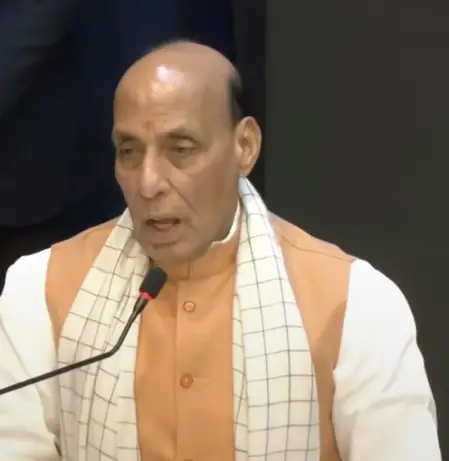
At the multinational MILAN-2026 exercise in Visakhapatnam, Defence Minister Rajnath Singh painted a picture of escalating maritime dangers that no navy can handle solo. Speaking to delegates from 74 countries, he listed piracy, sea-based terrorism, illicit fishing, trafficking, cyber frailties, and supply chain interruptions as top global concerns. Add to that the surge in climate-induced calamities, and the demand for humanitarian assistance has never been higher.
‘No navy is equipped to battle these alone,’ Singh asserted firmly. Naval cooperation has become imperative. This year’s MILAN, the biggest ever, reflects the international community’s trust in India as a reliable maritime leader. It calls for collaborative solutions rooted in mutual respect.
Joint maneuvers at sea, shared training sessions, and strategic discussions break down barriers, fostering trust and interoperability. MILAN serves as a vital platform, bringing together expertise to tackle shared issues effectively. What began as a regional effort has grown into a cornerstone of global naval diplomacy, promoting professional exchanges and cultural ties that cement enduring partnerships.
India advocates for a fair maritime regime grounded in international norms, ensuring unhindered navigation. A comprehensive global naval network can reinforce this, protecting vital trade routes, combating ocean crimes like terrorism, and upholding sovereignty. India’s longstanding advocacy for partnership has evolved into a holistic strategy for collective advancement. Committed as the world’s friend, India will continue fostering stability and cooperation across the seas.