

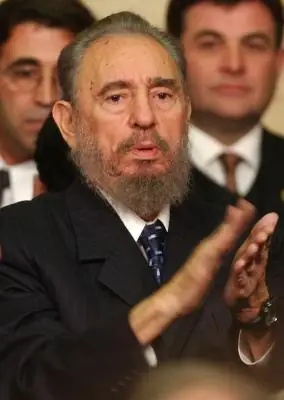
Fidel Castro’s announcement on February 19, 2008, to relinquish power symbolized more than a leader’s exit—it closed a monumental phase in 20th-century history. At 81, after spearheading the 1959 revolution against Batista’s dictatorship, Castro had transformed Cuba into a socialist bastion that challenged superpowers.
His bold pivot to Soviet partnership isolated the U.S., culminating in the harrowing 1962 Missile Crisis. Castro’s unyielding stance earned him icon status among revolutionaries worldwide, even as CIA plots and invasion attempts like the Bay of Pigs failed to dislodge him.
Investments in human capital defined his domestic agenda. Universal literacy campaigns eradicated illiteracy, while healthcare innovations produced doctors exported globally. Critics, however, decry the one-party rule that stifled opposition, jailed dissidents, and curtailed media freedoms, creating a legacy fraught with contradictions.
Ailing health prompted the 2006 transfer to Raul Castro, formalized in 2008. Raul’s era brought tentative liberalization: self-employment permits, agricultural cooperatives, and tourism booms. Yet, Fidel remained a symbolic force until his 2016 death.
U.S.-Cuba relations fluctuated dramatically—Obama’s 2014 detente reopened embassies and travel, only for Trump’s reversals to tighten the screws amid Venezuela’s crisis hurting Cuban subsidies. Now, Díaz-Canel faces protests over blackouts and food scarcity, clinging to socialist ideals amid market experiments. Castro’s journey from rebel to statesman leaves Cuba pondering its future, forever marked by his defiant spirit.