

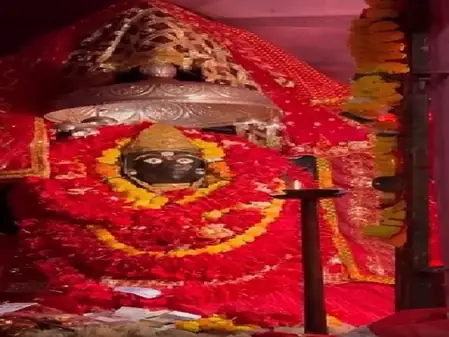
Nestled in Dantewada, Chhattisgarh, the Danteshwari Temple stands as a beacon of divine mystery. Its most talked-about feature? A miraculous pillar that devotees swear determines if Maa will grant their deepest desires.
Picture this: You stand before the towering pillar, heart pounding, and wrap your arms around it. Success means your prayers are heard; if your fingers don’t meet, perhaps it’s time to reassess. This age-old tradition has pilgrims traveling far, turning skepticism into awe.
Goddess Danteshwari, with her six powerful arms clutching tridents, swords, and demon trophies, exudes raw energy. As one of India’s 51 Shakti Peeths, the temple marks the spot where Sati’s tooth fell during Shiva’s cosmic dance of grief. That’s why Dantewada bears its name, honoring the ‘tooth goddess.’
Over four centuries old, the South Indian-style structure whispers tales of the Kakatiya kings. Raja Annamdev’s encounter with the deity allegedly forged his empire’s golden era. Today, her footprints by the river draw equal reverence, believed to be her eternal imprints.
Entry demands purity: stitched garments are taboo. Temple authorities supply traditional attire, ensuring seamless worship. Rituals follow ancient scripts, from aarti to elaborate festivals that light up Bastar region.
Critics call it folklore, but for believers, it’s living proof of divine intervention. Navratri sees frenzied crowds testing their fate, sharing stories of wishes fulfilled—from healings to windfalls. In an era of science, Danteshwari’s pillar endures, challenging us to embrace the unknown and trust in higher powers.