

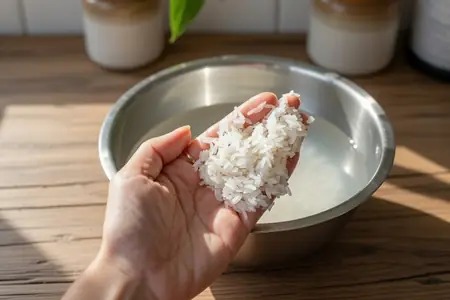
Rice is a staple for billions, prized for its digestibility and versatility. Yet, a common kitchen shortcut—skipping the soak—could undermine its health potential. Health professionals emphasize that immersing rice in water before cooking unlocks a treasure trove of benefits, from superior mineral absorption to stabilized blood glucose.
Phytic acid, often called an ‘anti-nutrient,’ binds to iron, zinc, and calcium in uncooked rice, blocking their assimilation in the gut. Research published by the National Library of Medicine shows soaking effectively neutralizes this compound, allowing your body to reap the full nutritional rewards. This is especially vital in regions where rice dominates diets and deficiencies are rampant.
The perks extend to cooking quality too. Soaked rice plumps up, cooks evenly in less time, and boasts enhanced taste and tenderness. During the soak, natural enzymes break down starches, simplifying digestion and promoting gut health. For those monitoring blood sugar, soaked rice’s reduced GI means slower carbohydrate release, offering a safer option over unsoaked varieties.
Follow these guidelines for optimal results: Rinse white rice 2-3 times, then soak for 15-20 minutes; basmati for 20-30; brown rice 6-8 hours; and intact grains 8-12 hours. Balance is key—excessive soaking of polished rice can diminish B vitamins.
Ancient wisdom meets cutting-edge science in this practice, proving that small changes yield big gains. Incorporate rice soaking into your routine today, and experience lighter digestion, better nutrient intake, and long-term wellness.