

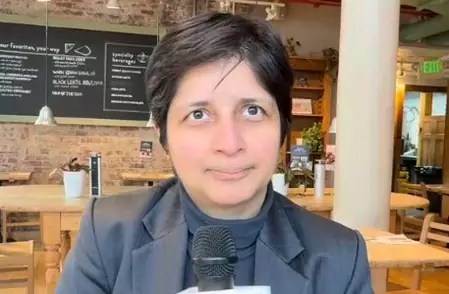
In the glittering surface of renewed US-Pakistan engagement lies a stark reality: no real progress at the grassroots level. Over the last year, summits and talks have painted a rosier picture, but Hudson Institute’s Aparna Pande, a leading voice on South Asia, insists the core relationship hasn’t budged.
Symbolic gestures dominate, with scant economic or defense deliverables for Pakistan. This week, PM Shehbaz Sharif heads to Washington for President Trump’s ‘Board of Peace’ launch—a move Islamabad hails as a relationship milestone.
Pande demystifies the hype: “It’s structurally symbolic. Pakistan will spotlight post-last-year improvements and close ties between its leadership and Trump.” Trade overtures and bilateral huddles are probable, though uncertain.
“Relations look great on paper,” she notes, “but Pakistan internally? Not much shift in 18 months.” Gaza offers Pakistan a stage to assert Muslim solidarity. Board involvement or stabilization roles could resonate positively at home, provided it doesn’t smack of pro-Israel bias—especially for the army.
Islamabad wants precise mandates for any troop commitments. US lawmakers may grumble, but Trump officials won’t meddle in Pakistan’s politics. Geopolitically savvy, Pakistan positions itself as vital amid Iran and Middle East tensions, yet reaps mostly lip service and tentative investment nods.
Resentment brews; Pakistan’s Defense Minister vented that America treated them disposable. Advanced arms? Buy your own—US aid is off the table. Economic salvation might lie in mineral-rich Balochistan, but militancy scares off investors.
Pande’s verdict: Flashy diplomacy masks stagnation. Pakistan’s strategic pitch demands more than applause; true partnership requires deliverables, not just photo-ops. As Sharif lands in DC, the world watches if symbols yield substance.