

A sharp uptick in dengue fever has jolted Bangladesh, with 14 new cases emerging in just 24 hours, local health reports confirm. This escalation signals renewed urgency in combating the deadly viral disease that has plagued the nation repeatedly.
The DGHS spokesperson revealed the figures early Tuesday morning, detailing the regional breakdown: Barisal leads with nine cases, Khulna reports four, and Rajshahi one. Every patient is under hospital care, receiving fluids and symptomatic treatment to prevent complications.
Year-to-date statistics paint a worrying picture—four deaths and 1,361 confirmed infections. Last year’s toll was far grimmer, with 413 lives lost and 102,861 affected, while 2024 saw 575 fatalities among 101,214 cases. Urbanization, climate change, and poor sanitation are key drivers behind these recurrent outbreaks.
Government guidelines stress immediate medical consultation for symptoms like high fever, eye pain, and rashes. Preventive actions include clearing breeding sites, using repellents, and wearing protective clothing. The health ministry’s vector control units are ramping up operations nationwide.
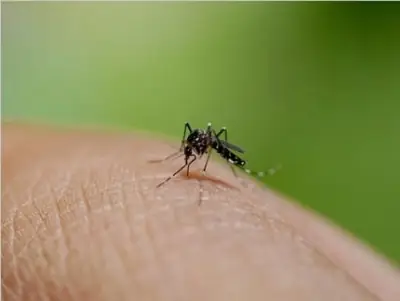
Transmitted by daytime-biting Aedes mosquitoes carrying the dengue virus, the illness can evolve into life-threatening hemorrhagic fever in severe instances. WHO data shows dengue endemic in over 100 countries, predominantly in Asia and the Americas. Supportive therapy remains the gold standard, with vaccines showing promise in trials.
With monsoon season looming, Bangladesh must fortify its defenses. Public-private partnerships and international aid could tip the scales against this perennial threat, safeguarding vulnerable populations.