

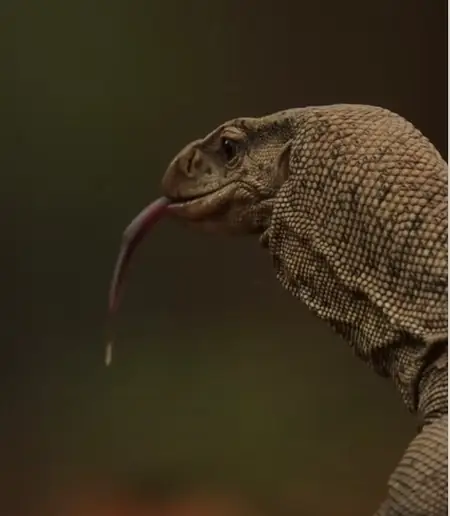
Deep in India’s rural heartlands and wildlife sanctuaries, the monitor lizard’s days are numbered. Dubbed ‘goh’ or ‘gohata,’ this hulking reptile with its signature hissing tongue has long been a misunderstood guardian of the environment. Far from the venomous beast of local legends, it’s a non-toxic predator essential for controlling invasive pests.
Stretching up to two meters, the Bengal monitor dominates as the subcontinent’s biggest lizard. Myths of its deadliness stem from sharp teeth and bacteria-rich mouths, remnants of scavenging dead animals and hunting live ones like rats, snakes, and birds. No true venom courses through its veins, unlike distant relatives such as the Komodo dragon.
From tiny hatchlings devouring bugs to mature hunters ambushing larger game, their forked tongues act as sophisticated scent detectors. Flicking rapidly, they funnel airborne particles to sensory organs, enabling stealthy strikes.
These adaptable survivors flourish near farmlands, ponds, and villages, where they regulate insect swarms and rodent hordes that plague agriculture. In protected zones like Dudhwa Tiger Reserve, populations persist, especially during rainy seasons when activity peaks. Females excavate soil nests for clutches of eggs, perpetuating the cycle.
Smugglers target their skins and meat, fueling a black market despite strict laws. The 1972 Wildlife Act bans all trade, imposing heavy penalties. Superstitions exacerbate the crisis, with misguided killings harming ecosystems. Experts urge awareness campaigns to highlight their role as nature’s free pest control, ensuring these giants endure.