

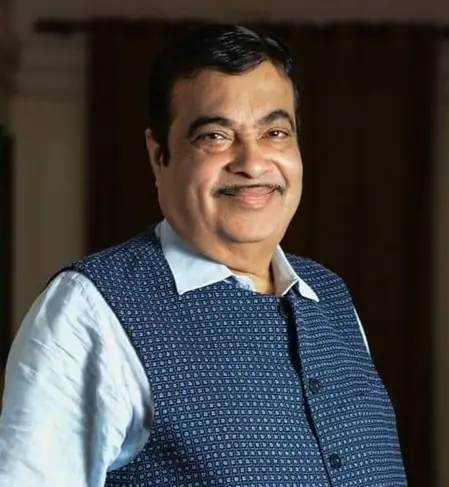
Union Road Transport and Highways Minister Nitin Gadkari made a passionate plea on social media, encouraging citizens to view ‘Shatak: 100 Years of RSS,’ a film marking the Rashtriya Swayamsevak Sangh’s centennial milestone. In his message, he lamented the ‘unfortunate gap’ between the RSS’s portrayed image and its genuine character, positioning the movie as a vital tool for clarity.
Drawing from personal experience as a swayamsevak, Gadkari revealed how misconceptions have clouded public understanding of the RSS’s core values of dedication, service, and patriotism. The organization, he argued, has been misunderstood despite its tangible impacts, from tribal welfare programs to educational advancements and community-driven cooperatives.
‘To grasp RSS ideology, one must examine its deeds,’ Gadkari asserted. He detailed the selfless contributions of lakhs of volunteers in fostering social awareness and strengthening societal fabrics. Over the decades, the RSS has played a pivotal role in nurturing national pride among the youth, fueling India’s developmental aspirations—a personal motivation for Gadkari himself.
The minister also tackled broader societal issues, praising the RSS’s commitment to marginalized communities including Dalits and the economically disadvantaged. Redefining Hindutva, he described it as a holistic lifestyle embracing India’s cultural heritage, open to all faiths. This philosophy, he said, embodies true Indianness and stems directly from RSS teachings.
As ‘Shatak’ prepares to hit theaters across India on February 20, it stands poised to unravel myths, illuminate social services, and narrate the RSS’s enduring saga of resilience and service. Gadkari’s endorsement underscores its relevance in today’s discourse, inviting viewers to engage with history’s untold chapters for a more informed perspective.