

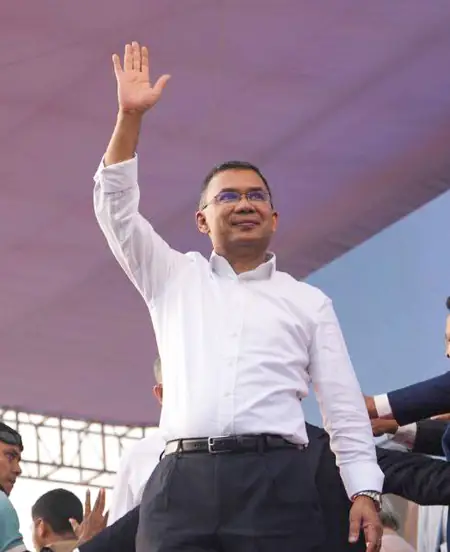
Bangladesh’s voters have spoken decisively in favor of democratic revival, handing BNP chief Tarique Rahman a sweeping electoral triumph. But as confetti settles in Dhaka, analysts highlight a creeping threat: Jamaat-e-Islami’s impressive 77-seat breakthrough, its strongest showing yet.
Rahman’s ascension to leadership comes amid high expectations but daunting hurdles. The Yunus interregnum sowed seeds of disorder—lax borders with Pakistan, visa leniency, and open sea lanes that intelligence agencies link to ISI arms smuggling, terrorist infiltration, and drug routes piercing into India.
Domestic turmoil defines Rahman’s toughest fight. Mobocracy thrived under Yunus, fueled by Jamaat influence: assaults on journalists, pogroms against minorities, and targeted attacks on opponents. Law enforcement faltered, with cases evaporating into thin air.
Speculation swirls around Jamaat’s next moves. Might it feign restraint before unleashing chaos? Past BNP alliances fuel concerns of renewed pacts, though BNP’s dominance reduces necessity. Jamaat’s Yunus-era clout in bureaucracy could persist if not uprooted, breeding resentment and street agitation if power is denied.
From obscurity to 77 seats, Jamaat’s leap empowers its extremist narrative, including erasure of 1971 war glories where it backed Pakistani forces. Yunus enabled this radical resurgence, multiplying atrocities. Public verdict rebukes such forces, affirming Bangladesh’s sovereignty.
Rahman prioritizes internal stability over foreign overtures, signaling no undue concessions. Yet, Jamaat’s gains in West Bengal-border districts alarm Indian agencies, portending radical influxes and national security risks. Rahman’s success hinges on neutralizing this Islamist momentum while rebuilding institutions.