

In a landslide victory that reverberated across Bangladesh, the Bangladesh Nationalist Party (BNP) emerged as the undisputed champion of the 13th national parliamentary elections. Polling on February 12 led to swift counting, propelling the BNP and its allies to 212 seats, including 209 independently won. This dominance was further crystallized by the Election Commission’s Sunday release of vote shares.
BNP captured 49.97% of votes, dwarfing Jamaat-e-Islami’s 31.76%. Smaller players trailed far behind: NCP at 3.05%, Islami Andolan Bangladesh with 2.70%, and Khilafat Majlis at 2.09%. Independents accounted for 5.79%. The outcome wiped out 41 parties, despite their extensive candidacy efforts, with only nine gaining parliamentary representation.
The election’s unique referendum-style format marked a historic first, involving 50 of 59 registered parties. Media outlets highlighted the BNP’s sweep as both surprising and predictable, reflecting deep voter dissatisfaction with the status quo.
Preparations for the new government are in full swing. Elected MPs’ list in the official gazette paves the way for oath-taking on February 17, aligning with constitutional mandates under Article 148. Election chief Akhtar Ahmad affirmed the timeline in a briefing.
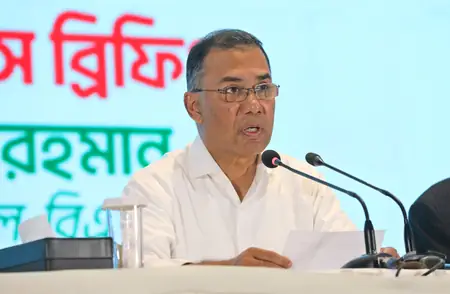
Sources indicate Tarique Rahman is set to become Prime Minister, with the party eyeing a balanced cabinet featuring veterans alongside youthful, qualified leaders for critical ministries such as interior, justice, treasury, and diplomacy. This approach promises innovative policies to tackle national priorities.
The BNP’s triumph sets the stage for transformative leadership. As the nation anticipates the new administration, expectations run high for reforms that foster unity, economic growth, and international standing.