

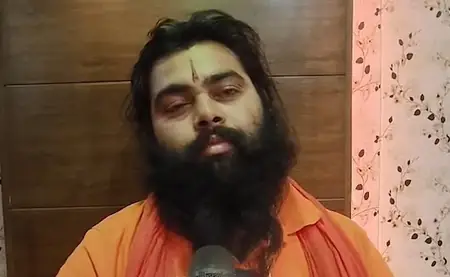
Rishikesh has become the epicenter of a heated debate on religious hierarchy following UP CM Yogi Adityanath’s firm statement that ‘anyone cannot become Shankaracharya.’ Leading the chorus of approval is Swami Gopalacharya Maharaj, head of the Akhil Bharatiya Sant Samiti, who validated the chief minister’s position during the Magh Mela discussions.
‘For 30 years, our pan-India body has championed saints’ causes on national issues,’ Gopalacharya stated. ‘The Shankaracharya throne represents the zenith of respect in Sanatan Dharma. Yogi ji is absolutely correct—no one can casually claim it.’
The controversy traces back to Swami Avimuktishwaranand Saraswati, whose comments on cow protection have fueled skepticism. ‘When a so-called Shankaracharya questions core tenets like gau hatya, it breeds suspicion,’ the swami observed. ‘While society has embraced him, authenticating his credentials is our collective responsibility. Tradition-bound devotees are anxious about his suitability.’
Gopalacharya urged reconciliation, praising Yogi’s dual role as a yogi-turned-leader. ‘Differences must be forgotten. With godless elements undermining our faith, saints and leaders need to unite against external threats rather than bicker internally.’
Swami Nirmal Das Maharaj chimed in, agreeing with Yogi on merits but cautioning against state interference. ‘Constitutionally and practically spot on, yet determining Shankaracharyas falls to expert councils like Kashi Vidwat Parishad, not governments.’
Reflecting on history, he mentioned the Akhilesh Yadav era’s use of force. ‘Perhaps they saw wrongdoing and acted per law, but today’s mishandling is unjustifiable.’
As the Magh Mela unfolds, this rift highlights tensions between modern politics and ancient spiritual orders, prompting calls for institutional mechanisms to resolve such disputes and safeguard Hinduism’s revered lineages.