

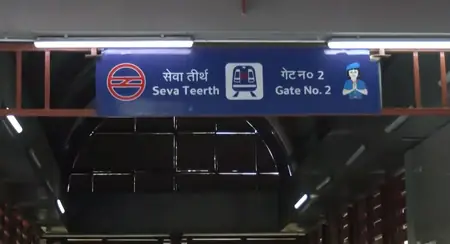
Delhi’s bustling Udyog Bhawan Metro Station has a new name: Seva Tirth Bhawan. The Delhi Metro Rail Corporation implemented the change swiftly following Union Minister Manohar Lal Khattar’s announcement, timed perfectly after the PMO’s shift to Seva Tirth.
Nestled in the core of the national capital’s government district, this Yellow Line stop connects commuters to vital ministries and offices. Its strategic location makes it indispensable for thousands of daily users—from bureaucrats to support staff—facilitating the smooth functioning of India’s administrative machinery.
PM Modi, unveiling the new PMO nomenclature, described Seva Tirth as a beacon of public service. ‘Service is India’s essence, a commitment to duty, compassion, and national priority,’ he remarked. He urged ongoing dedication to citizen welfare, envisioning it as a motivator for selfless action across generations.
The rename isn’t merely cosmetic; it’s a deliberate linkage between transport infrastructure and the ethos of governance reform. Experts note that such symbolic gestures boost public morale and align urban mobility with national values. As maps and apps update, the station’s role in Delhi’s transit ecosystem gains fresh prominence.
Looking ahead, this could pave the way for more themed renamings, enhancing commuter experience while promoting cultural narratives. For now, it marks a proud moment in Delhi Metro’s evolution, mirroring the city’s dynamic administrative landscape.