

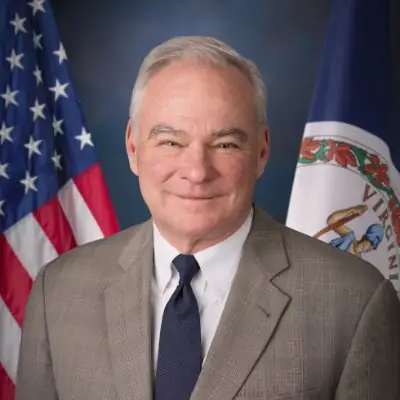
Washington is ramping up its Indo-Pacific strategy as two influential senators press for a Quad summit before President Trump’s pivotal April sit-down with Xi Jinping. In a direct appeal to Marco Rubio, Senators Tim Kaine and Pete Ricketts warn that delaying this key alliance meeting could weaken US leverage against Beijing.
Members of the Senate Foreign Relations Committee, the bipartisan duo stresses that a pre-summit with India, Australia, Japan, and the US would showcase unwavering democratic solidarity. India’s upcoming hosting role makes April an ideal window, shifting the timeline from 2025 to amplify immediate impact.
Their letter paints a vivid picture: amid China’s aggressive posturing, a united Quad front would fortify Trump’s negotiating stance. Recent wins—like enhanced ties across the four nations and a landmark US-India trade pact—have primed the ground for renewed multilateral vigor.
Vulnerabilities in global supply chains, critical mineral chokepoints, maritime threats, and tech rivalries bind the Quad partners. China’s targeted harassment of Japan via diplomacy, military bluster, and economic levers endangers the rules-based order, demanding a robust response.
Aligning with Trump’s national security blueprint, the senators envision the Quad deterring aggression, diversifying dependencies, protecting innovations, and securing sea lanes. They advocate sequential summits: leaders first, then ministers and experts, culminating in a fortified alliance.
The push includes a deadline for administration briefings by March 2026, signaling long-term commitment. As the Quad matures into a powerhouse for security, supply resilience, tech advancement, and naval synergy, India’s steady advocacy for openness amid border frictions with China highlights its pivotal role in sustaining regional balance.