

A fresh political storm has erupted following the Union government’s order to make the singing of all six verses of ‘Vande Mataram’ compulsory at official functions. The decision, aimed at honoring the national song’s legacy, has split opinions down ideological lines.
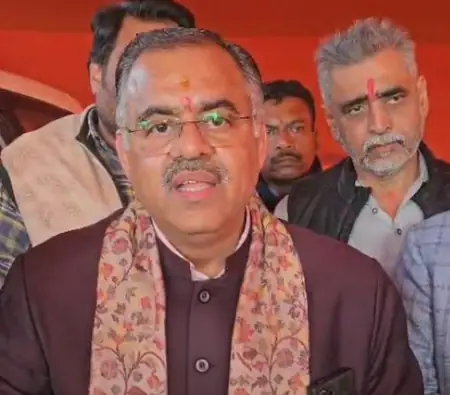
Prominent BJP leader Tarun Chugh praised the initiative, calling it a commendable step that revives the glory of a song etched in India’s freedom saga. ‘From the battlefields of the independence movement to today, Vande Mataram embodies the ultimate sacrifice for the motherland,’ he stated, countering criticisms from Jamiat Ulema-e-Hind.
Chugh underscored that the anthem rises above sectarian divides, uniting the nation in patriotism. He recounted tales of revolutionaries who embraced death with these verses on their lips, making it a beacon of unity.
Shiv Sena’s Krishna Hegde joined the fray, framing the song as a simple act of reverence to Bharat Mata. ‘It’s about hailing the mother who nurtures us. Those thriving on Indian soil must embrace this without religious prejudice,’ he asserted.
Jamiat’s Maulana Hakimuddin Qasmi, however, invoked constitutional protections, arguing that compelling religious minorities to chant potentially conflicting lyrics infringes on fundamental rights to religious practice and belief.
This clash highlights ongoing debates on nationalism versus pluralism in modern India. With BJP positioning it as cultural reclamation and opponents as rights violation, the issue promises to fuel discourse in public forums and legislatures alike. The government’s bold move seeks to instill pride in historical symbols, but at what cost to harmony?