

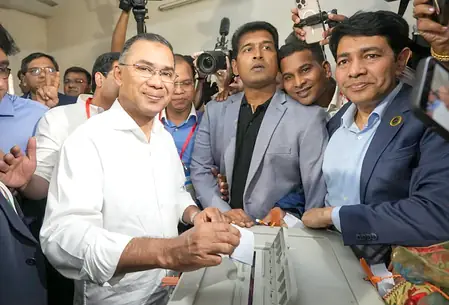
Bangladesh’s electoral landscape transformed overnight as BNP alliance swept more than 200 parliamentary seats on Friday, following polls held Thursday—18 months post-Hasina’s fall. This majority mandates a BNP government, sparking debates on ripple effects across South Asia, especially India.
Under Yunus’s interim stewardship, Indo-Bangla relations hit rock bottom. Pakistan’s ingress, coupled with ISI’s youth radicalization drives targeting India, fueled alarms. BNP’s ascent promises recalibration: expect outreach to mend diplomatic fences, reviving thorny issues like frontiers, cross-border flux, and unresolved Teesta accord.
Hasina’s era boasted warmth; Khaleda Zia’s BNP tenure bred bitterness. Yet, son Tarique’s influence could herald pragmatism. China’s port ambitions in Chittagong, nearly realized under Yunus, posed Bay of Bengal headaches for New Delhi. BNP might amplify Beijing collaborations, stoking Indo-Pacific tensions.
Pakistan links may soften, altering diplomatic equilibria vital for Indian security. Internal polarizations risk spillover instability. India’s eastern flanks brace for vigilance; SAARC rejuvenation tantalizes but depends on Dhaka-Delhi chemistry. Trade corridors, with Bangladesh as prime destination, face policy uncertainties. Analysts predict relational upticks, dodging Islamist pitfalls, yet strategic watchfulness endures amid flux.