

UNESCO’s World Radio Day on February 13 underscores radio’s unbreakable bond with audiences worldwide. The 2023 theme, ‘Radio and Artificial Intelligence,’ explores the fusion of legacy media and futuristic tech, ensuring radio’s place in tomorrow’s landscape.
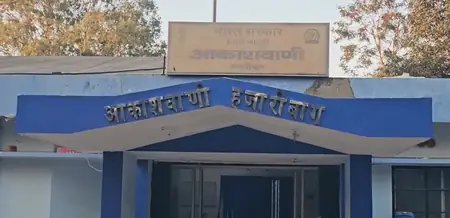
At Hazari bagh’s All India Radio, announcers celebrate the medium’s resilience. In an era of endless digital options, radio holds strong as a source of information, education, and joy. It has evolved, maintaining relevance through smart adaptations.
Rajiv Kumar, a veteran broadcaster, traces radio’s evolution. Communication started with pigeons and evolved through mail and print. ‘Radio uniquely blends education, news, and entertainment,’ he tells us. ‘It thrives today, but its long-term dominance amid digital shifts is anyone’s guess.’
The spotlight falls on PM Narendra Modi’s transformative role. His ‘Mann Ki Baat’ program has revitalized radio, making it a household staple. Prakash Rana enthuses, ‘Modi’s discussions on timely topics create direct listener engagement, injecting new vitality.’
Alka Kumar highlights technological leaps. ‘From communal listening around a single set to pocket-sized mobile access, radio is everywhere,’ she says. Modi’s broadcasts, alongside live events like sports, have surged popularity. ‘Mann Ki Baat inspires devotion; people count down to it eagerly.’
This World Radio Day, Hazari bagh’s voices echo a larger truth: with leaders like Modi and tech like AI, radio’s legacy is far from static—it’s surging forward.