

Every February 13, India marks National Women’s Day in tribute to Sarojini Naidu, the poet-revolutionary who broke barriers as a governor post-independence. This occasion spotlights films adapted from Hindi literature that celebrate women’s battles against oppression.
From heart-wrenching Partition dramas to philosophical debates on ethics, these movies center bold female protagonists, transforming pages into unforgettable performances.
Sarat Chandra’s ‘Parineeta’ inspired the 2005 film where Vidya Balan embodies Lalita’s passionate struggle. Amid dowry politics and caste barriers, her love story unfolds as a testament to self-respect and unwavering resolve.
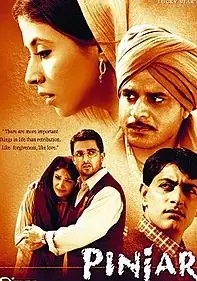
Amrita Pritam’s ‘Pinjar’ (2003) with Urmila Matondkar as Puro captures the visceral agony of abducted women during India-Pakistan division. It masterfully portrays survival instincts clashing with societal rejection, underscoring feminine courage in chaos.
Rajkumar Santoshi’s ‘Lajja’ (2001), echoing Taslima Nasrin’s provocative work, assembles a chorus of women’s voices against exploitation. Through tales of violence and injustice, it ignites a call for dignity and reform.
In ‘Uski Roti’ (1969), Mohan Rakesh’s narrative comes alive via Mani Kaul’s lens, focusing on a wife’s stoic suffering in routine life. The film’s subtlety amplifies her muted rebellion against neglect.
Meena Kumari dominates ‘Chitralekha’ (1964), Bhagwati Charan Verma’s epic of a courtesan’s moral dilemmas. Her character’s pursuit of truth over convention delivers a riveting clash of desire and duty.
Gurudutt’s ‘Sahib Bibi Aur Ghulam’ (1962), from Bimal Mitra, immortalizes Chhoti Bahu (Meena Kumari) in Bengal’s fading aristocracy. Her descent into despair reflects broader shifts, humanizing aristocratic decay through a woman’s lens.
These adaptations not only honor literary roots but amplify voices of empowerment, resonating across generations on this Women’s Day.