

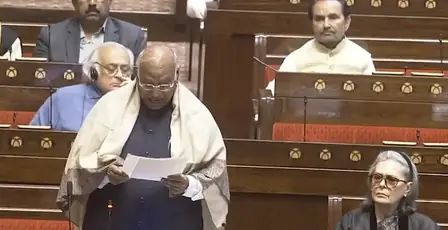
New Delhi’s Rajya Sabha echoed with a stern critique of casteism as Congress chief Mallikarjun Kharge, the Leader of Opposition, urged lawmakers to move beyond slogans on social justice. ‘It’s the essence of our Constitution, and safeguarding it is our collective duty,’ he proclaimed, zeroing in on persistent atrocities against the underprivileged.
At the heart of his speech was a disturbing Odisha episode: an Anganwadi shunned for months over food cooked by a Dalit woman. Parents from certain groups withhold meals from their kids, exposing deep-seated biases. Kharge warned this undermines child development hubs, breaching constitutional mandates on education and nutrition while planting hate in impressionable minds.
He painted a national picture of caste violence, from Madhya Pradesh’s brutal treatment of a tribal worker to a Dalit official’s tragic suicide in Gujarat and bias claims in Chandigarh’s police force. ‘These aren’t isolated; they signal systemic rot,’ Kharge said, invoking fundamental rights under Articles 14, 15, 17, and robust anti-atrocity laws.
Demanding accountability, Kharge pressed the government for swift probes, harsh penalties, victim safeguards, and sensitization drives. In the 21st century, as India boasts progress, such relics of discrimination demand eradication to honor the Constitution’s promise of equality. His call resonated, pushing for tangible reforms over empty words.