

A seismic shift in Nepal’s politics, triggered by Gen-Z protests against corruption, has US policymakers optimistic about deepening ties ahead of March 5 elections. Security ramp-ups, including aid from India, highlight the high stakes as Kathmandu gears up for the vote.
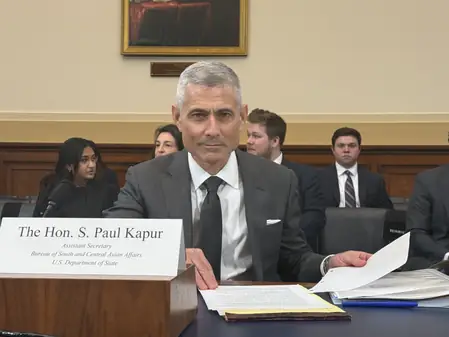
During Wednesday’s congressional testimony, Paul Kapoor, Assistant Secretary for South and Central Asian Affairs, framed the unrest as emblematic of youth-driven democratic surges across the subcontinent. He noted Washington’s preparedness to partner with Nepal’s next leadership after months of instability.
Flashback to September 2025: widespread demonstrations toppled the government, leading to the PM’s ouster and accelerated polls. ‘We anticipate a secure, peaceful election,’ Kapoor affirmed, pledging bipartisan support for the outcome.
Lawmakers from both sides seized on the moment. Chair Bill Huizenga labeled Nepal and Bangladesh’s transitions as game-changers for American diplomacy. Ranking Democrat Sydney Kamlager-Dove spotlighted the opening to champion responsive rule amid rising regional aspirations.
Straddling India and China, Nepal occupies a critical geopolitical nexus. US strategy here focuses on balancing powers to safeguard economic stability worldwide. The discourse reveals a unified congressional stance: Nepal’s evolution is a linchpin in South Asia’s strategic chessboard, offering Washington leverage against hegemonic threats.