

In a sharp rebuttal to the anti-labor code strike, groups in Madhya Pradesh and Chhattisgarh branded it a sham orchestrated by unions dancing to political tunes. ‘Workers are mere shields for these political agendas,’ they charged.
Leading the charge, Deepak Jaiswal of NFITU lauded the reforms after decades of advocacy. With 42 years in the labor movement, he detailed the evolution: ‘Colonial laws lingered since 1947. The Borlaug panel’s calls for two decades went unheeded until BJP acted decisively with extensive talks.’
The overhaul consolidates rules for simplicity and relevance, focusing on health and security. Virat Jaiswal, NFITU’s General Secretary, envisioned long-term gains: ‘These laws pave the way to Developed India 2047, safeguarding gig economy players alongside traditional workers.’
He slammed the protests: ‘A manufactured nationwide drama with zero worker relevance. Unions, out of touch, exploit laborers for their patrons’ whims.’
Echoing from ‘Fight for Right,’ Umang Bansal dismissed strike fears: ‘Politically inspired, it won’t disrupt India. Pro-labor policies abound; fix flaws via talks, not tantrums.’
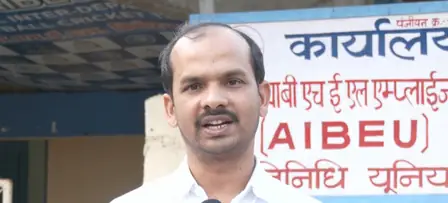
BHEL union’s Satendra Kumar hailed it as a ‘One Nation, One Law’ milestone. ‘Equal work, equal pay, and ironclad security—government’s worker-friendly steps simplify complexities.’
Thursday’s action, they argue, reeks of ambition over advocacy. Amid clashing views, the codes signal India’s labor landscape transformation, balancing flexibility with protection in a growing economy.