

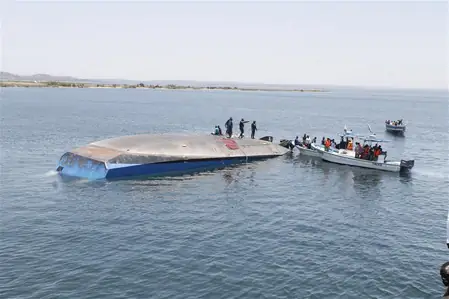
Northern Sudan was struck by devastation when a crowded boat flipped over on the Nile River, resulting in 15 confirmed deaths and four people still missing. The overloaded vessel, ferrying over 27 passengers—many of them families with children and seniors—was traveling between Taiba al-Khawad and Deim al-Karai villages when rough waters overwhelmed it.
Civil defense sources revealed that high waves triggered the capsize. Emergency responders arrived swiftly, managing to save eight lives and retrieve the bodies of the deceased. However, the four remaining passengers remain elusive despite ongoing searches by locals and official teams.
Echoing these reports, the Sudan Doctors Network issued a public statement verifying the fatalities and stressing the perilous state of river transport. They criticized the lack of essential safety measures and demanded that authorities prioritize equipping rescue operations with proper tools.
The network’s appeal extended to long-term solutions: enhancing safety standards for Nile crossings and implementing rapid interventions to curb such incidents. In rural Sudan, where bridges are scarce, reliance on rudimentary boats persists, amplifying dangers particularly during seasonal floods.
Experts and officials have long cautioned against using fragile wooden boats in adverse conditions. This tragedy serves as a stark reminder of the human cost when infrastructure lags behind necessity. With recovery efforts underway, questions loom over accountability and preventive actions to safeguard future travelers.