

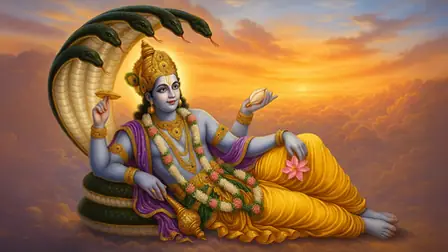
February 13 marks a pivotal day in the Hindu lunar calendar: Vijaya Ekadashi. Falling on a Friday in Phalgun’s Krishna Paksha, this observance honors Lord Narayan and echoes the epic resolve of Lord Rama prior to vanquishing Ravana in Lanka. Rooted deeply in Sanatan Dharma, the Panchang’s elements—tithi, nakshatra, yoga, karan, and vara—dictate the flow of auspicious energies.
Drik Panchang details the Ekadashi tithi activating from February 12, 12:22 PM, persisting until February 13, 2:25 PM. Full-day observance applies via Udaya Tithi norms. Mythology underscores its power: Rama’s fast here fueled his path to glory, mirroring benefits for modern devotees—eradication of ailments, banishment of grief, defeat of foes, and success in litigation alongside wish realization.
Astronomically, Chandra moves through Dhanu Rashi. Mula Nakshatra holds sway till 4:12 PM, yielding to Purvashadha thereafter. Day breaks at 7:01 AM, night falls at 6:10 PM.
Steer clear of Rahu Kaal (11:12 AM-12:35 PM), when initiations falter. Yamaganda spans 3:23 PM-4:46 PM, Gulika 8:25 AM-9:48 AM—periods for caution.
Embrace golden hours: Brahma Muhurta (5:18-6:10 AM) for meditation, Abhijit (12:13-12:58 PM), and prime Vijaya Muhurta (2:27-3:11 PM) ideal for vows and worship.
Conclude the vrat on Dwadasi post-Ekadashi, venerating Vishnu, absorbing the katha, and sustaining with phalahar. Vijaya Ekadashi stands as a beacon of triumph, channeling divine favor into everyday conquests.