

Bangladesh’s Jamaat-e-Islami is projecting an image of progressivism in its latest election manifesto, spotlighting women’s safety and inclusion. But beneath the surface lies a rigid conservative framework that contradicts these assurances, according to a detailed Maldives Insight investigation released this week.
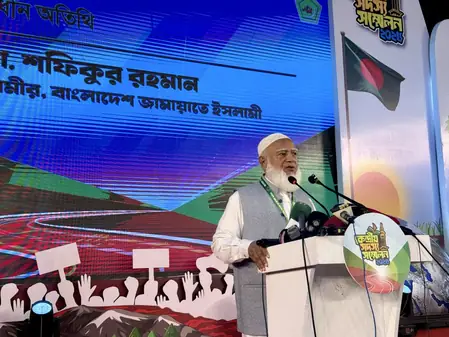
At campaign events, chief Shafiqur Rahman assures crowds that women will be secure at home, on streets, and in offices. The manifesto outlines concrete measures: reduced work hours for mothers, women-only transport, widespread CCTV, and rapid-response helplines. It even nods to representation for women and minorities in governance.
Skeptics point to actions speaking louder than words. Not a single woman graces Jamaat’s candidate list for the elections. Top leadership is an all-male club, with party officials openly declaring women unfit for supreme roles. This setup clashes sharply with empowerment rhetoric.
The report delves into Jamaat’s fuzzy position on Sharia implementation, interpreting it as a nod to traditional hierarchies where women occupy secondary, segregated spaces. ‘These promises resemble symbolic gestures more than pathways to equality,’ it observes, drawing parallels to broader contradictions in Islamist movements worldwide.
For Bangladeshi women seeking real agency, Jamaat’s approach offers protectionism dressed as progress. As polls near, the party’s track record—from past behaviors to current exclusions—paints a picture of unchanged orthodoxy, urging caution against vote-winning facades.