

A vibrant revolution is underway in India’s cosmos ambitions. Parliament heard on Wednesday that the nation now hosts over 400 space startups, backed by investments exceeding $500 million. This disclosure from the Centre underscores the explosive growth of the private space industry.
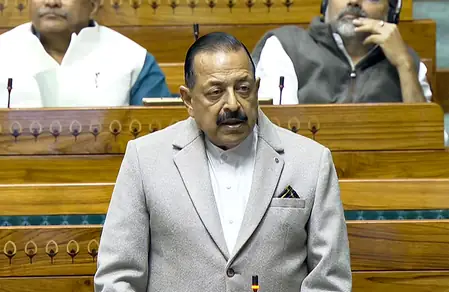
In his Lok Sabha reply, Dr. Jitendra Singh, Minister of State for Science, Technology, and Earth Sciences, detailed key milestones. Private firms achieved sub-orbital rocket launches in late 2022 and mid-2024, proving India’s commercial launch capabilities.
POEM has been instrumental, enabling 25 payloads to reach orbit for testing. Non-government groups have launched 18 satellites together, and PPP models are crafting Earth observation constellations to drive innovation and international confidence.
Twenty-five firms are leveraging such platforms for satellite trials. States are crafting supportive policies, viewing space as the next economic frontier. Startup India’s 2016 launch supercharged this ecosystem, promoting innovation and employment.
Since 2014, trailblazers like Pixxel with its advanced Firefly satellites, Dhruva Space, Skyroot, Agnikul, and Bellatrix have redefined possibilities. GalaxEye’s Mission Drishti, a pioneering multi-sensor satellite, is on the horizon, set to elevate India’s Earth-watching tech.
As investments flow and launches multiply, India’s space narrative shifts from state-led to a dynamic public-private synergy, eyeing leadership in the global space race.