

Amid swirling reports of potential venue shifts, Iran’s Foreign Ministry has categorically denied any deviation from Oman for its indirect talks with Washington. The longstanding commitment to Muscat as the negotiation hub stands unshaken, officials confirmed.
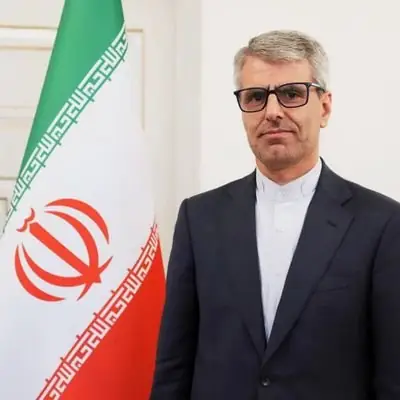
Foreign Ministry spokesperson Ismail Baghaei addressed the media, labeling such rumors baseless. He expressed Iran’s support for regional diplomatic pushes to ease tensions and foster constructive engagement. Multiple countries have stepped forward with offers to mediate, reflecting growing international concern over escalating conflicts.
High-level communications have been a cornerstone of these efforts. Foreign Minister Seyed Abbas Araghchi has maintained ongoing dialogues with regional ministers and other stakeholders worried about peace and security. These exchanges, involving top leadership including the President, aim squarely at tension reduction and diplomatic progress.
Baghaei was clear: alternative locations for the talks were never on the table. This assertion coincides with significant diplomatic movement in Oman, where Ali Larijani, head of Iran’s Supreme National Security Council, met with his Omani counterpart.
The meeting delved into critical regional and global matters, with both sides stressing the vital role of communication and collaboration in ensuring stability. On the same day, Larijani posted a pointed message on X, timed just before Netanyahu’s discussions with Trump in Washington.
Warning against Israeli influence on nuclear talks, Larijani urged the US to prevent superficial maneuvers from derailing genuine negotiations. Israel maintains that Iran cannot be trusted on nuclear issues and has signaled readiness for independent measures if bilateral talks falter. Netanyahu affirmed Iran’s centrality to his Trump summit.