

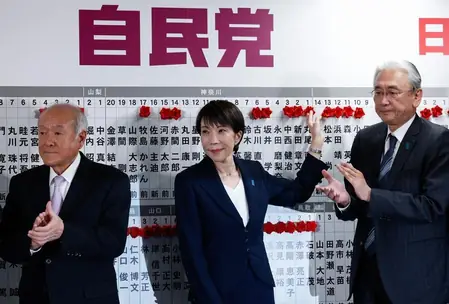
Japan’s ruling Liberal Democratic Party (LDP) has delivered a masterclass in electoral dominance, securing a supermajority in the House of Representatives that all but guarantees continuity at the top. Parliament will convene a pivotal session on February 18 to elect the prime minister formally, following the constitution’s timeline.
As reported by major outlets like Jiji Press, the ritual begins with the outgoing cabinet’s mass resignation. Votes in the lower and upper houses follow, with majority winners advancing directly or through runoffs. In case of deadlock, the lower house’s choice rules supreme—a provision underscoring its authority.
LDP chief Sanae Takaichi, the current PM, stands poised for re-endorsement, backed by her party’s staggering 316 seats out of 465 in the lower house. Coalition gains from the Japan Innovation Party pushed their bloc to 352 seats total. This historic haul exceeds the two-thirds majority needed for significant legislative muscle.
Analysts praise Takaichi’s campaign savvy: a high-octane, spectacle-filled blitz that preempted policy backlash. But skeptics warn of brewing storms—her hawkish ideology clashes with pressing economic headwinds, from stagnant growth to inflation pressures. The real battle for her leadership may just be dawning.
Opposition forces crumbled under the LDP onslaught. The hastily formed Centrist Reform Alliance, uniting CDPJ and Komeito, plummeted from projected 172 seats to a dismal 49. This rout highlights voter preference for LDP stability over fragmented alternatives, setting the stage for Takaichi’s unchallenged return.