

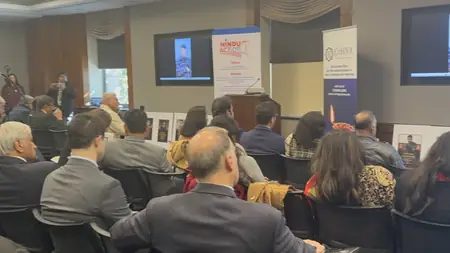
In a timely congressional briefing, experts have raised red flags about Bangladesh’s brewing crisis of extremism and democratic backsliding ahead of the February 12 national elections. The event underscored vulnerabilities in democratic structures and escalating dangers to religious minorities, signaling a nation at a critical crossroads.
Hosted by HinduAction and Kohna organizations in Washington, the discussion spotlighted insights from AEI’s Michael Rubin. He emphasized evaluating reforms through the lens of minority treatment, decrying how parties like Jamaat-e-Islami weaponize faith to dodge responsibility and inflame tensions. Once societal tolerance wanes, rebuilding it is ‘excruciatingly difficult,’ Rubin noted.
Positioning Bangladesh as a pivotal South Asian player due to its population and economy, Rubin warned it risks joining the ranks of severe religious freedom offenders—a scenario demanding urgent US attention. He lambasted American diplomacy for post-facto responses and evasive reporting on violence, likening passive phrasing to sanitizing terror acts.
‘Jamaat-e-Islami isn’t just another political outfit; it’s a terrorist entity,’ Rubin asserted in the interactive session. Adel Nazarian, a noted analyst, amplified the stakes, insisting the elections transcend Bangladesh’s borders with ripple effects on global security. Booting the Awami League from the process, he said, broadcasts that might trumps mandate, eroding faith in democratic norms.
With calls for proactive US intervention over mere rhetoric, the briefing—attended by scholars, media figures, and leaders—crystallized apprehensions about the future of pluralism and rule of law in Bangladesh as voting day looms.