

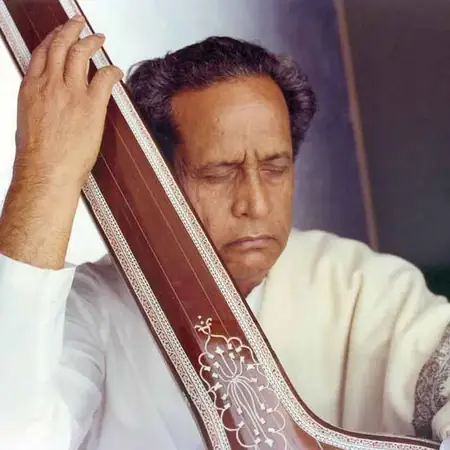
February 10 stands immortal in Indian cultural history, the day in 2009 when Pandit Bhimsen Joshi received the Bharat Ratna at his Pune residence. A beacon of Hindustani classical tradition from the Kirana lineage, Joshi’s voice wove magic, transporting listeners to realms of pure melody. His journey began humbly in Gadag, Karnataka, on February 4, 1922, in a teacher’s family where music was his earliest calling.
School days blurred into secret sessions at record stores, fueling dreams that propelled him, at just 11, to runaway apprenticeship. Ticketless on the train, his impromptu Raag Bhairav rendition melted hearts, funding his path to Bijapur and destiny.
Sawai Gandharva’s rigorous training honed his skills in core ragas, leading to a stellar debut at 19 and a radio career in Mumbai. Joshi’s repertoire spanned khayal mastery alongside thumri, tappa, devotional bhajans, and theatrical forms. Signature ragas—Yaman, Shuddha Kalyan, Maru Bihag, Bihag, Basant Bahar, Miyan Malhar, Abhogi, Darbari—reflected his emotional depth and technical brilliance over seven decades.
He saw music as sadhana, a spiritual pursuit beyond profession. Honors included Padma Shri (1972), Padma Bhushan (1985), Padma Vibhushan (1999), plus elite accolades like Karnataka Ratna. Joshi’s passing on January 24, 2011, silenced a voice, but his recordings and influence resonate eternally, inspiring generations to embrace music’s divine essence.