

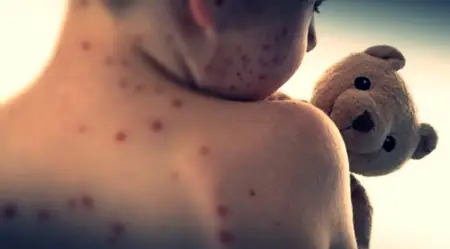
A raging measles epidemic has overwhelmed Mongolia, with confirmed cases climbing past 14,123, as revealed by the National Center for Communicable Diseases on Monday. Primarily affecting school-aged children with incomplete vaccinations—those who got just one shot—the outbreak highlights gaps in immunization coverage.
The NCCD issued an urgent appeal to parents: double up on measles vaccines to avert severe complications. This airborne virus, one of the world’s most infectious, causes intense fever, persistent cough, nasal congestion, and itchy rashes. Shockingly contagious, a single carrier can infect up to 18 contacts, lingering viable for two hours in air or on objects.
Children bear the brunt, though no one is immune. The vaccine, a proven safeguard since 1963, has drastically curbed what were once biennial pandemics killing 2.6 million yearly. Yet, 2023 saw over 107,500 fatalities, chiefly toddlers under five, despite accessible shots.
Initial signs hit 10-14 days post-exposure: a prodromal week of sniffling, hacking coughs, teary red eyes, and Koplik’s spots in the mouth. Days 7-18 bring the telltale rash, erupting on the head and neck, cascading downward over three days, then receding after nearly a week.
As Mongolia battles this public health emergency, officials stress community-wide vaccination drives. The crisis serves as a stark reminder worldwide: partial protection isn’t enough. Families must prioritize both doses to halt transmission and safeguard the next generation from measles’ deadly grip.