

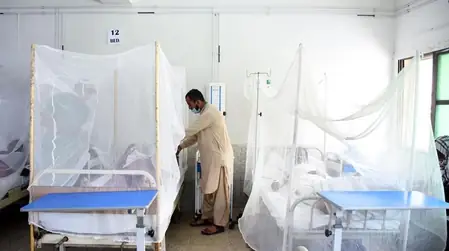
A historic medical brain drain is crippling Pakistan’s healthcare in 2025, as around 4,000 doctors pack their bags for foreign opportunities. Official immigration records confirm this alarming peak, surpassing all previous years and exposing vulnerabilities in the country’s medical sector.
Since 2010, doctor migration has surged, but this year’s numbers are off the charts. With 370,000 registered doctors serving 250 million people—and 22,000 graduating annually—Pakistan appears well-stocked. However, WHO benchmarks demand 250,000 active doctors, a target undermined by inactive practitioners and rampant emigration.
Key culprits include dilapidated infrastructure and cultural hurdles keeping female doctors from the workforce. Gallup’s 2023 poll highlighted that 35% of women physicians sit idle, citing social constraints, job scarcity, and perilous public transport that makes evening duties risky.
Meager paychecks prompt widespread resignations. Protests by junior doctors against grueling conditions have faded, met with governmental apathy. Urban-centric healthcare leaves rural areas underserved, compelling sick patients to flock to overburdened city hospitals, intensifying staff exhaustion.
Aspiring medics feel stifled by scarce high-tech gear, research facilities, and supportive ecosystems. Drawn to international hubs offering cutting-edge technology and better living standards, they emigrate en masse. Pakistan must confront these issues head-on with salary hikes, rural expansions, and safety measures to retain its talent pool and safeguard public health.