

Balochistan’s skies reverberated with defiance as the Baloch Liberation Army (BLA) wrapped up ‘Operation Herof-2’, a meticulously planned offensive that shook Pakistan’s grip on the province. Lasting a full week, the campaign targeted key urban centers, delivering a message of unyielding resistance against state oppression.
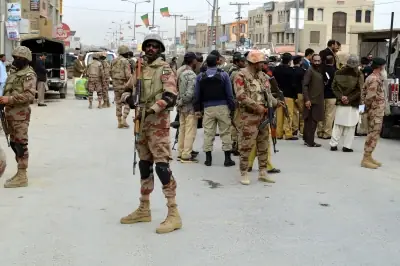
Fighters launched synchronized strikes in more than 14 cities, overwhelming security installations and asserting control over strategic points. BLA spokesperson Jiyand Baloch revealed that their forces held ground for six consecutive days in some areas, compelling Pakistani units to fall back under pressure.
Casualty figures touted by the group paint a grim picture for Islamabad: over 362 killed from various security branches, alongside captures of 17 personnel who were subsequently freed. Remaining detainees, the BLA says, will be prosecuted for atrocities linked to genocide and war crimes in Balochistan.
The threefold objectives—proving prowess in urban warfare, fostering communal trust in the resistance, and dismantling the myth of unchallenged Pakistani authority—were all fulfilled, per the militants. This escalation comes against a backdrop of rampant bloodshed, forced vanishings, and crackdowns that have long plagued the region.
With the BLA refusing to rule out more such actions, Balochistan remains a powder keg, testing Pakistan’s counterinsurgency strategies and drawing international scrutiny to the human rights crisis at its core.