

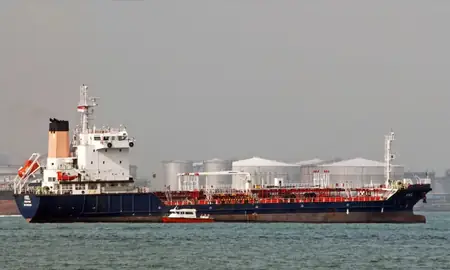
The Indian Coast Guard executed a flawless operation in the Arabian Sea, shattering an international syndicate smuggling oil worth millions. Occurring 100 nautical miles off Mumbai on February 5-6, 2026, the raid highlights the force’s technological prowess in combating maritime crime.
Using a sophisticated blend of aerial and naval surveillance, ICG zeroed in on three vessels suspiciously loitering in international waters. These were no ordinary ships; they formed the backbone of a cartel importing discounted crude from war-torn regions and offloading it via clandestine ship-to-ship transfers.
Multi-national operatives masterminded the scheme, synchronizing sales and handovers while masking vessel identities to slip past vigilant patrols. Foreign-based owners pocketed windfall gains, siphoning off revenues that should have bolstered India’s coffers through legitimate duties.
Triggering the bust was ICG’s tech-driven alert on a motor tanker exhibiting odd behavior in Indian waters. Cross-verification exposed its ties to two accomplice ships, setting the stage for interception.
ICG vessels swiftly challenged the suspects on February 5. Specialist teams boarded, rifling through manifests, gadgets, and grilling the crews. Overwhelming proof of wrongdoing emerged, justifying the full seizure. The ships head to Mumbai, where customs authorities will unravel the syndicate’s deeper networks.
This triumph signals ICG’s dominance in ocean domains and digital vigilance. India emerges stronger in enforcing global maritime laws, throttling smuggling that erodes economic stability and fosters disorder at sea.